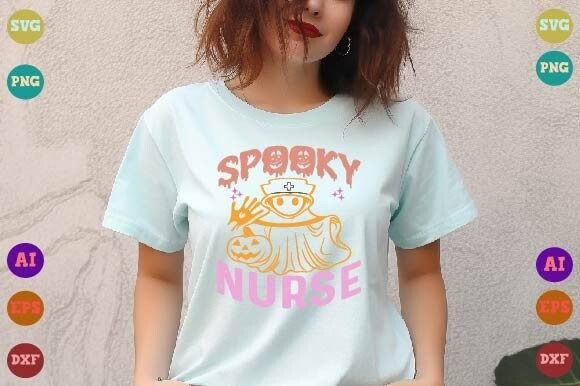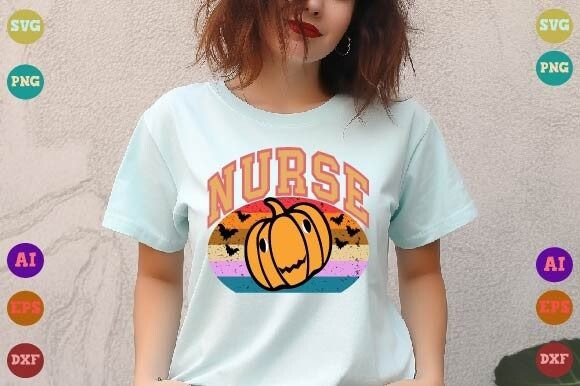
Nurse Pumpkin Halloween: A Designer's Real-World Review
As someone who spends most of their day staring at stitch simulations and managing thread palettes for a small craft business, I approach new design assets with a healthy dose of skepticism. We have all been there: you buy a cute graphic, load it into your software, and realize halfway through stitching that the density is wrong or the details are too fine for the fabric. That is why I took a close look at the Nurse Pumpkin Halloween file before committing it to any client projects. This isn't just about whether the image is cute; it is about whether it functions as a viable machine embroidery design for real-world applications.
My first impression of the Nurse Pumpkin Halloween concept is that it hits a sweet spot between professional pride and seasonal fun. The fusion of medical imagery with autumn themes creates an immediate mood that feels welcoming rather than spooky. For an Etsy seller or boutique owner, this visual personality is gold. It speaks directly to a specific niche—nurses, nursing students, and healthcare workers—who are often looking for ways to celebrate their profession during the holidays without sacrificing professionalism. The layout appears balanced, suggesting that the creator understood the constraints of embroidery hoops. However, seeing a Graphics file on a screen is very different from seeing it stitched out on textured fabric.
Putting the Design to the Test: A Real Case Scenario
To truly evaluate this embroidery project, I imagined a specific request from a local hospital gift shop. They wanted a run of limited-edition tote bags for their staff appreciation week. The goal was a handmade product that felt premium but playful. I visualized the Nurse Pumpkin Halloween design centered on a heavy canvas tote bag design. In this scenario, the sturdiness of the canvas would support the stitch structure well. The contrast of bright orange thread against a natural or navy bag would pop, making it an excellent printable mockup for social media promotion before a single stitch was even made.
Alternatively, consider sweatshirt embroidery. A crewneck fleece provides a soft background that makes the design feel cozy. If you are creating a personalized gift for a nurse friend, placing this motif on the left chest area of a cardigan or scrub top adds a subtle touch of holiday spirit. The key here is scale. Because the theme combines a pumpkin shape with nursing elements (likely a stethoscope or cap), the details need to be large enough to prevent the stitches from merging into a blob. If the original file is a vector SVG or DXF intended for cutting, converting it to a stitch file requires careful attention to these small elements to ensure they don't get lost in the fabric texture.
Technical Performance and Fabric Considerations
When dealing with mixed-theme graphics like Nurse Pumpkin Halloween, the transition between different shapes can be tricky. If this is being digitized or used as a reference for an applique design, the edges need to be clean. For standard fill patterns, stitch density is the critical factor. On a thick towel or blanket, you can get away with higher density, but on a stretchy t-shirt or a thin baby onesie, too many stitches will cause puckering. I always advise testing the design on scrap fabric first. This is non-negotiable for maintaining customer trust and ensuring the finished product looks professional.
There are specific situations where you need to exercise caution. If you plan to use this on a curved surface like a cap, the center of the pumpkin must align perfectly with the crown's peak, or the design will look distorted. Similarly, if you are working with dark fabric, you must check your thread colors. A standard orange might look muddy on black unless you use a high-quality rayon or polyester thread with good sheen. Underlay stitches become crucial here to prevent the dark fabric from showing through the lighter pumpkin tones. For baby embroidery, ensure that any satin stitch borders are not too rough against sensitive skin, and avoid tiny, loose threads that could pose a hazard.
Maximizing Visual Appeal and Commercial Value
The true value of a design like Nurse Pumpkin Halloween lies in its versatility for commercial embroidery. It is not just a holiday decoration; it is a branding tool. When a customer sees a well-executed version of this on an apron or a pillow cover, it signals quality. It tells them that the maker cares about detail. This perception directly impacts buyer engagement. In a crowded marketplace, a design that clearly communicates a specific identity—like "Nurse" + "Halloween"—stands out more than generic autumn leaves.
However, clarity is king. If the nursing element (such as a stethoscope draped over the pumpkin) is too intricate, it might turn into a mess of running stitch or dense fill stitch when scaled down. Before listing this as a small shop product, zoom in on your digitizing software. Are the lines distinct? Is there enough space between the pumpkin ridges and the medical accessories? If the answer is no, you may need to simplify the design or increase its minimum size. A crisp, clear design enhances brand consistency across your inventory, whether you are selling patches, hats, or home decor.
Practical Notes for the Serious Maker
Before you start churning out inventory, there are a few housekeeping items to address regarding the file itself. The product description mentions included SVG and DXF files. These are primarily vector graphics formats used for cutting machines like Cricut or Silhouette, or for graphic design suites like Adobe Illustrator and Inkscape. Important: These are not native machine embroidery files (like PES, DST, or EXP). If you are an embroiderer, you cannot load these directly into your machine. You will need to use digitizing software to convert these graphics into stitch data, or ensure you are purchasing the correct embroidery-specific format if available elsewhere.
If you are converting these graphics yourself, pay close attention to the pathing. Ensure the stitch direction follows the natural curve of the pumpkin to enhance its 3D appearance. Use a appropriate stabilizer; for stretchy fabrics, a cut-away stabilizer is usually safer than tear-away to prevent distortion over time. Also, verify the licensing terms. Just because you downloaded a file does not automatically grant you the right to sell the digital file itself. Usually, you can sell the physical custom apparel or embroidered patch you create, but reselling the raw design asset is often prohibited. Always read the fine print to protect your craft business.
Finally, consider the longevity of the item. Products like kitchen towels and aprons undergo frequent washing. A robust design with secure anchoring stitches will survive the laundry cycle better than one with long, floating runs. Test your Nurse Pumpkin Halloween creation by washing and drying the sample piece. Does it pucker? Do the colors bleed? These practical tests are what separate hobbyists from professionals. By taking the time to evaluate the design assets thoroughly, you ensure that every item leaving your studio adds value to your brand and brings joy to the recipient.
In conclusion, while the Nurse Pumpkin Halloween theme offers fantastic potential for holiday embroidery and niche marketing, its success depends entirely on execution. Whether you are digitizing it from the provided SVG/DXF files or adapting an existing pattern, treat it with the respect a professional project deserves. With the right fabric, proper stabilization, and a keen eye for detail, this design can become a staple in your fall collection, delighting healthcare heroes and craft lovers alike.