Christmas Chibi: A Designer's Review for Holiday Embroidery
When I first opened the Christmas Chibi file on my screen, the immediate reaction wasn't just about cuteness; it was about potential. As a designer who spends hours tweaking digitized files and managing client expectations, I look for more than just a pretty image. I need to know how a design translates from a digital preview to a tangible, stitched reality. This Illustrations piece carries a specific mood—whimsical, compact, and undeniably festive—that makes it a strong contender for the upcoming holiday rush. However, before committing this machine embroidery design to a client's custom apparel or a batch of boutique merchandise, we need to break down exactly how it performs under the needle.
The Visual Personality and First Impressions
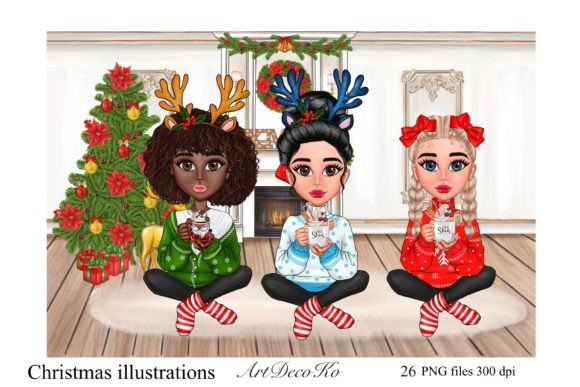
The charm of Christmas Chibi lies in its simplified yet expressive lines. Chibi styles rely on exaggerated proportions and minimal detailing to convey character, which is actually a massive advantage in embroidery. Unlike hyper-realistic portraits that can turn into a muddy mess if the stitch density isn't perfect, this design embraces the limitations of the medium. The shapes are bold enough to hold their own, suggesting a mix of satin stitch for outlines and fill stitch for the body that should result in a clean, crisp finish.
Visually, it creates a sense of warmth and playfulness. It's not the kind of design that screams "corporate holiday party"; rather, it feels at home on a handmade product meant for gifting or personal enjoyment. The layout is generally centered and balanced, which simplifies the hooping process. For an Etsy seller or a small shop owner, this visual clarity is crucial. Customers scrolling through listings need to instantly recognize the subject matter, and this design delivers that recognition without visual clutter.
Real-World Application: The Tote Bag Scenario
To truly evaluate Christmas Chibi, let's walk through a realistic project scenario. Imagine you are preparing a run of canvas tote bag design items for a local craft fair. You want something that appeals to last-minute shoppers looking for a personalized gift. This design fits perfectly here. The scale of a chibi character usually sits well within a 4x4 or 5x7 hoop, making it ideal for the front panel of a standard tote.
In this context, the embroidery file needs to handle the texture of canvas or heavy cotton twill. Because chibi designs often have distinct color blocks, the transition between thread colors becomes a focal point. If the digitizing is sharp, the jumps will be minimal, and the trim count manageable. On a tote bag, which gets tossed around and washed, the durability of the stitches is paramount. The solid fill areas typical of this style tend to wear better over time compared to intricate running stitch details that might snag. If executed with a high-quality cutaway stabilizer, this design could become a signature item for a small shop product line.
Versatility Across Different Products
Beyond tote bags, Christmas Chibi shows remarkable versatility. It is an excellent candidate for sweatshirt embroidery, particularly on the left chest or as a small pocket accent. The playful nature of the character complements the casual vibe of fleece and French terry fabrics. For those specializing in baby embroidery, this design is a goldmine. Parents love soft, approachable characters for onesies and bibs, provided the stitching isn't too dense or scratchy against sensitive skin.
It also works wonderfully as an embroidered patch. If you digitize or purchase a version with a merrowed edge or a simple satin border, this illustration can be mass-produced as an iron-on accessory. This opens up revenue streams for digital embroidery file sellers who offer both the stitched patch and the DIY file. Furthermore, for holiday embroidery projects like pillow covers or kitchen towels, the design adds a touch of whimsy without overwhelming the base fabric. It strikes a balance between decorative and functional, ensuring the finished product looks professional rather than homemade in a sloppy way.
Critical Considerations for Execution
While the design is promising, a professional reviewer must highlight where caution is needed. Not every fabric plays nice with every embroidery project. If you are working with stretchy knits or thin performance fabrics, the density of the fill stitches in Christmas Chibi could cause puckering. Always test on scrap fabric first. This is non-negotiable. You need to see how the material reacts to the needle penetration and thread tension.
Curved surfaces present another challenge. If you plan to put this on a cap, the center placement might work, but be wary of the design's width relative to the curvature of the front panel. A wide chibi character might distort on a structured hat. Similarly, pay attention to tiny details. If the design includes very small eyes or accessories rendered in running stitch, these might get lost or break away after several washes. In such cases, simplifying the detail or switching to a satin column might be necessary before production.
Color contrast is another vital factor. On dark fabrics, ensure the design has enough light-colored elements to pop, or consider using a white underlay if the digitizing doesn't already include one. Conversely, on white fabrics, make sure the outline threads are dark enough to define the shape clearly. Testing the design in black and white mockups can help you judge the silhouette strength independent of color choices.
Business Value and Brand Consistency
From a business perspective, using a cohesive set of illustrations like Christmas Chibi helps build brand consistency. If your craft business focuses on cute, modern holiday goods, this design reinforces that identity. It enhances buyer engagement because it feels curated and intentional. High-quality stitching builds customer trust; when a client sees clean edges and no loose threads, they perceive higher value and are more likely to return or recommend your custom apparel services.
For those creating printable mockup assets or digital previews for social media, the clear lines of this illustration photograph beautifully. Good lighting on a well-stitched sample can drive significant traffic to an online store. However, always verify the licensing terms. Just because a file is available doesn't mean it's cleared for commercial embroidery use. Confirm whether you can sell the physical finished items or if the license restricts you to personal use only. Protecting your business from legal issues is just as important as protecting your stitch quality.
Final Verdict for the Working Designer
Christmas Chibi stands out as a practical, versatile asset for the holiday season. Its strength lies in its adaptability across various textiles and product types, from cozy sweatshirts to sturdy tote bags. While it requires standard due diligence regarding stabilizer choice and fabric testing, the core design offers a solid foundation for profitable and beautiful work. By paying attention to the nuances of fabric texture and hoop size limitations, you can leverage this illustration to create standout pieces that resonate with customers. Whether you are a hobbyist making gifts or an Etsy seller scaling up production, this design earns a spot in the rotation for its blend of charm and technical feasibility.